Every venue owner wants the same thing — a calendar filled with confirmed events and consistent revenue throughout the year. However, many banquet halls, wedding venues, resorts, and event spaces still struggle with empty dates, missed enquiries, and unpredictable income.
Having a great venue location is no longer enough. The modern event industry is highly competitive, and customers have more choices than ever before. To stay ahead, venue businesses need smarter ways to attract customers, manage bookings, and maximize every available date.
Successful venues are no longer relying only on traditional marketing or manual booking processes. They are using venue management software, automation, customer data, and strategic planning to turn empty calendars into profitable opportunities.
The journey from empty dates to fully booked schedules requires more than getting more enquiries. It requires understanding customer behavior, responding faster, managing relationships effectively, and creating a seamless booking experience.
The Challenge of Empty Dates in Venue Businesses
Why Traditional Booking Methods Limit Growth
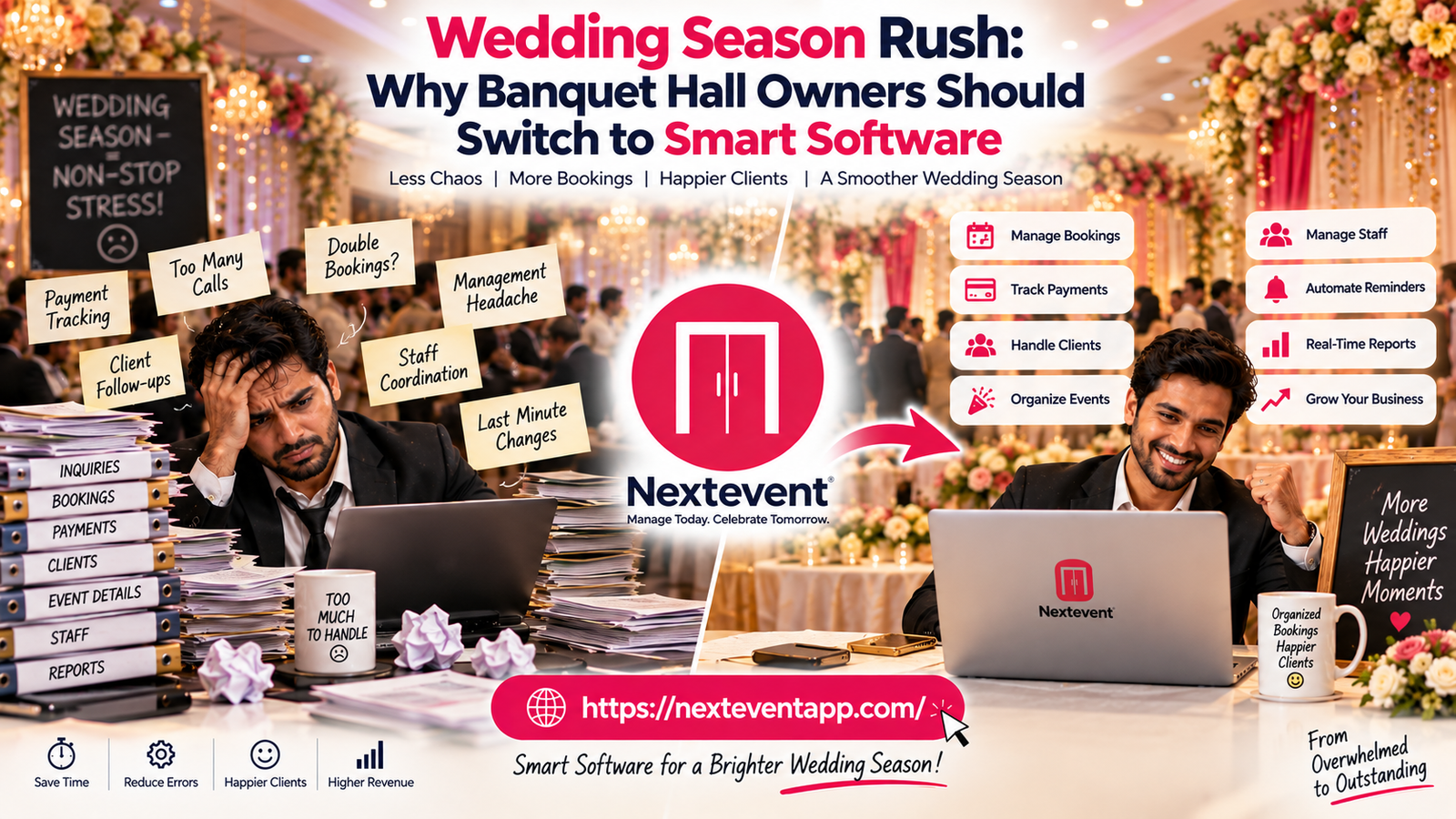
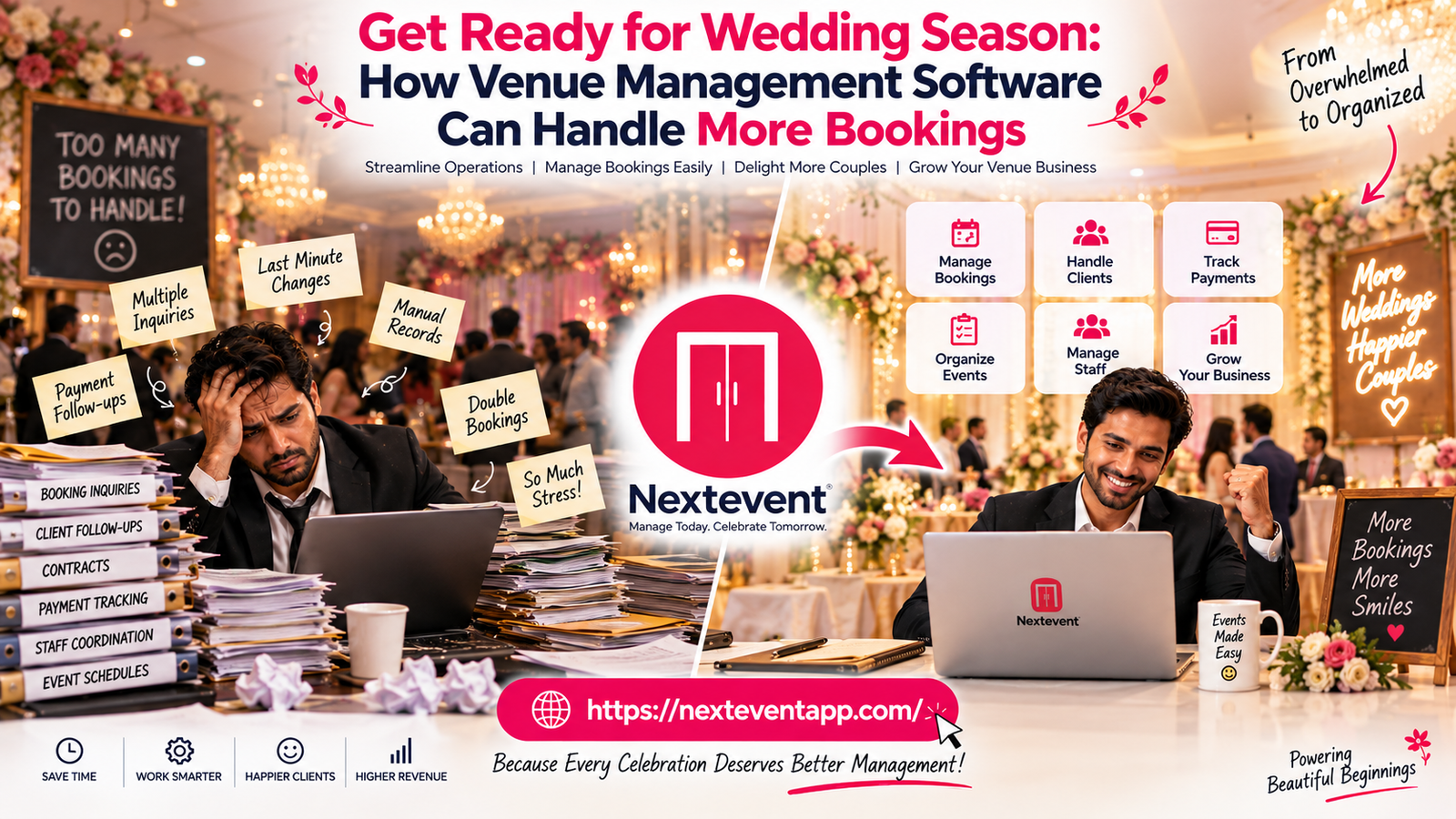
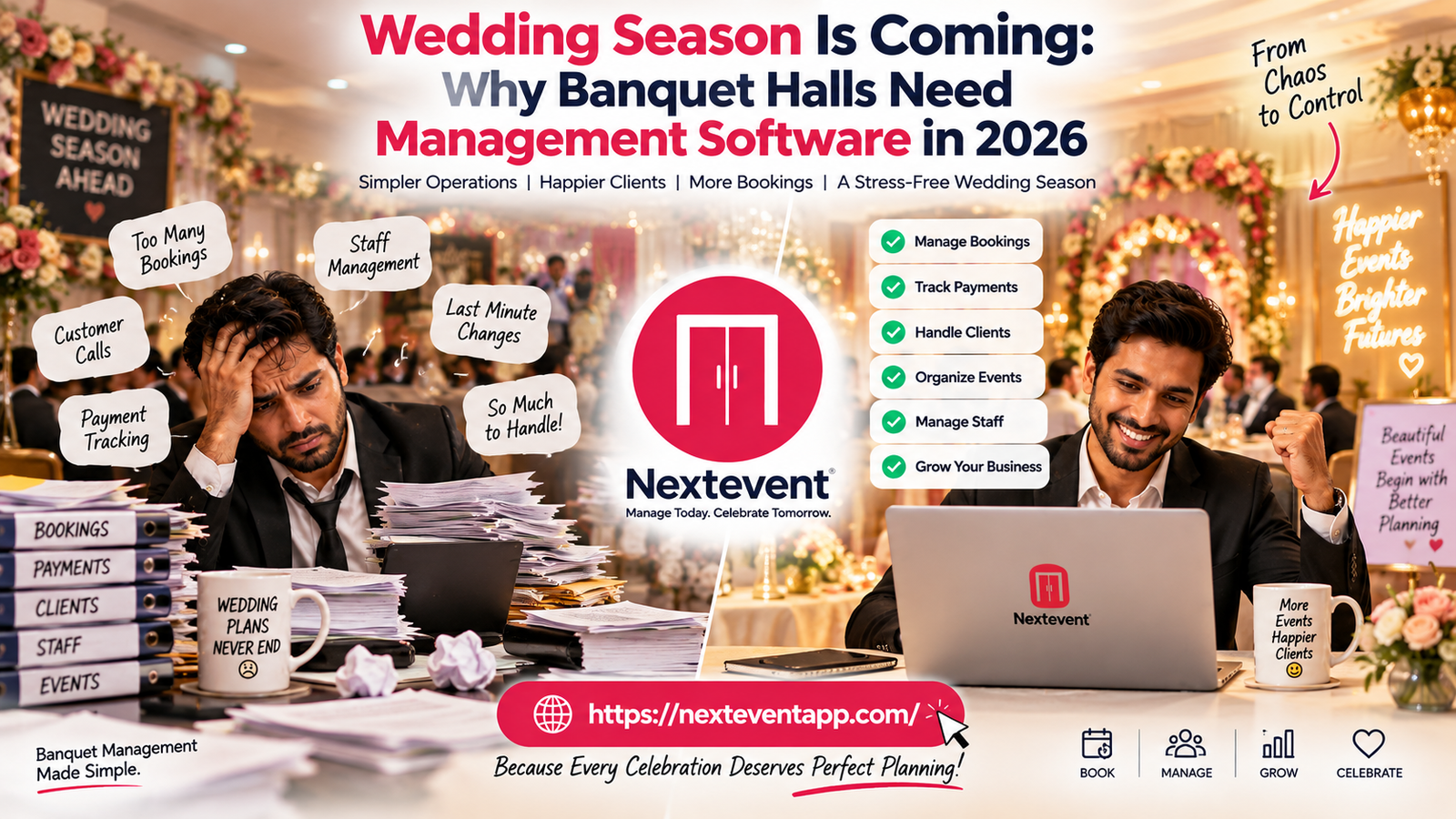
Many venue owners still depend on phone calls, spreadsheets, and manual records to manage their bookings. While these methods may work for small operations, they create limitations as the business grows. Read more here about – 7 Signs Your Venue Business Has Outgrown Manual Management.
Without a proper system, owners often struggle with:
Tracking customer enquiries
Following up with potential clients
Identifying available dates
Managing customer preferences
Understanding revenue trends
A missed follow-up or delayed response can mean losing a valuable booking opportunity to a competitor.
Modern customers expect quick responses and professional communication. Venues that cannot provide a smooth experience often lose potential revenue.
The Need for Smarter Revenue Strategies
Maximizing revenue is not only about increasing the number of events. It is about making better use of existing opportunities.
Smart venue owners focus on:
Reducing empty booking slots
Increasing conversion rates
Improving customer retention
Offering better packages
Optimizing operations
Technology helps businesses achieve these goals by providing better visibility and control.
How Modern Venues Increase Bookings and Revenue
1. Using Data to Understand Customer Demand
Successful venues make decisions based on data instead of guesswork.
Understanding booking patterns helps owners identify:
Popular event seasons
High-demand dates
Customer preferences
Most profitable services
With venue analytics software, owners can analyze business performance and create strategies to attract more bookings.
For example, if certain weekdays have lower demand, venues can introduce special packages or promotions to increase occupancy.
Data turns unused dates into revenue opportunities.
2. Automating Lead Follow-Ups
Many venues lose potential customers because enquiries are not followed up properly.
A customer who contacts a venue today may book an event after several conversations. Without proper tracking, sales teams may forget important follow-ups.
A venue CRM system helps manage the complete customer journey.
It allows businesses to:
Store customer details
Track enquiry status
Schedule reminders
Monitor conversations
Automated follow-ups ensure that no potential booking opportunity is ignored.
3. Optimizing Pricing and Packages
Revenue growth depends on offering the right packages to the right customers.
Modern venues analyze customer demand and create flexible packages based on:
Event type
Guest count
Seasonal demand
Additional services
For example, a venue can create special weekday packages to attract corporate events during less busy periods.
Smart pricing strategies help increase revenue without depending only on peak seasons.
4. Improving Customer Experience
Customer experience plays a major role in booking decisions.
Customers want:
Quick responses
Clear pricing information
Easy communication
Professional service
A slow response or confusing process can push customers toward competitors.
Using digital tools allows venues to provide faster service and create a better booking journey.
Satisfied customers are also more likely to recommend the venue to friends and family.
5. Managing Multiple Sales Channels
Modern venues receive enquiries from multiple sources, including websites, social media, referrals, and online platforms.
Managing all these channels manually can become difficult.
A centralized system helps track enquiries from different sources and organize customer information.
This allows venue owners to understand which channels generate the most bookings and focus their marketing efforts effectively.
The Role of Venue Management Software in Revenue Growth
Smart Booking Management
A venue booking management system helps businesses manage availability, event schedules, and customer details in real time.
Instead of checking multiple files, owners can instantly view:
Available dates
Confirmed bookings
Pending enquiries
Event details
This reduces booking conflicts and improves operational efficiency.
CRM-Based Lead Conversion
Getting enquiries is only the first step. Converting those enquiries into confirmed bookings is where many venues struggle.
A CRM system helps sales teams maintain relationships and improve conversion rates.
By tracking customer interactions and follow-ups, venues can increase their chances of closing more deals.
Analytics for Better Decisions
Business growth requires accurate information.
Analytics tools help venue owners understand:
Revenue performance
Booking trends
Customer behavior
Team productivity
These insights help businesses create better strategies and improve profitability.
Common Revenue Mistakes Venue Owners Should Avoid
Many venues lose money because of simple operational mistakes.
Common problems include:
Ignoring old customer enquiries
Not following up consistently
Poor availability management
Lack of customer data tracking
Depending completely on manual processes
Fixing these issues can significantly improve revenue performance.
Manual Management vs Smart Venue Automation
Area | Manual Management | Smart Venue Automation |
Lead Tracking | Difficult | Automated CRM |
Booking Management | Manual Updates | Real-Time Calendar |
Customer Follow-Ups | Often Missed | Scheduled Automatically |
Revenue Reports | Time-Consuming | Instant Insights |
Growth Planning | Based on Guesswork | Data-Driven |
Future of Revenue Growth for Venues in 2026
The future of venue management is focused on automation, personalization, and smart decision-making.
Technology such as AI, cloud platforms, and advanced analytics will help venues predict customer demand, improve operations, and increase revenue.
Businesses that adopt digital solutions early will have a stronger advantage in a competitive market.
The goal is not only to fill calendars but to create efficient systems that support long-term growth.
Conclusion
Turning empty dates into fully booked calendars requires a modern approach to venue management. Traditional methods often create missed opportunities, slow communication, and operational challenges.
By adopting venue management software, businesses can automate processes, improve customer relationships, and make smarter revenue decisions.
Modern venues are not just selling event spaces; they are creating efficient booking experiences that drive continuous growth.
The future belongs to venues that use technology to maximize every opportunity.
FAQs
1. How can a venue increase bookings throughout the year?
Venues can increase bookings by using customer data, improving marketing strategies, automating follow-ups, and offering flexible packages for different customer needs.
2. How does venue management software help increase revenue?
It helps increase revenue by improving lead conversion, reducing booking mistakes, automating follow-ups, and providing insights into business performance.
3. Can automation help reduce empty dates?
Yes. Automation helps identify opportunities, manage enquiries faster, and create targeted offers to fill available dates.
4. What is the best way to manage venue enquiries?
Using a CRM-based venue management system is one of the best ways to organize enquiries, track customers, and improve conversions.
5. Is venue automation useful for small and large venues?
Yes. Both small and large venues can benefit from automation by saving time, improving efficiency, and creating better customer experiences.